

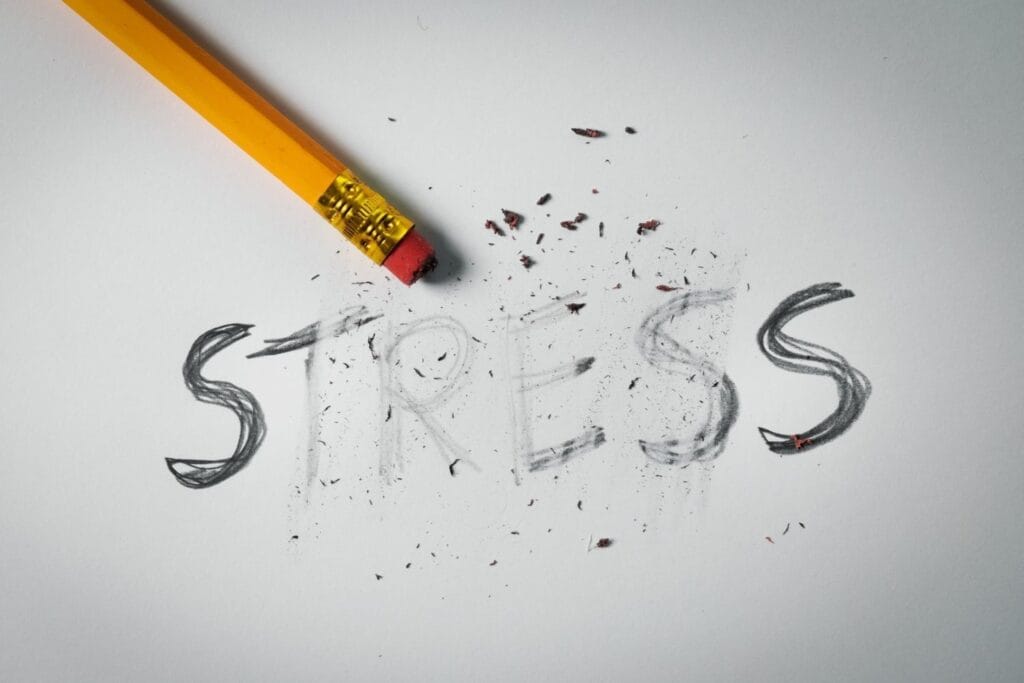
Mental health at work has moved from being a wellbeing initiative to a leadership responsibility. Employers across the UK are facing increasing scrutiny around how they manage stress, anxiety and psychological risk in the workplace. More importantly, employees expect their managers to recognise when something is not right.
According to the Health and Safety Executive, 40.1 million working days were lost in 2024 to 2025 due to work-related ill health and non-fatal workplace injuries. Of those, 17.1 million days were lost specifically to work-related stress, depression and anxiety. Stress-related conditions continue to account for nearly half of all work-related ill health cases in Great Britain. These figures are not isolated statistics; they represent teams under pressure, managers dealing with performance concerns, and organisations navigating operational risk without always having the right structure in place. They reflect projects delayed, workloads redistributed, and leaders responding reactively rather than proactively.
Mental health at work is not about diagnosing conditions; it is about recognising early warning signs and responding before issues escalate into long-term absence, formal grievance, or legal exposure. Early identification protects employees from prolonged harm and protects organisations from avoidable financial and reputational risk.
Key Takeaways:
Why Managers Sit at the Front Line
In most organisations, the line manager has the clearest view of what is happening day to day. They oversee workloads, monitor performance, approve leave, and conduct one-to-ones; they are often the first to notice when something changes. This places managers at the centre of managing mental health at work.
The Health and Safety Executive makes it clear that work-related stress develops when employees are unable to cope with the demands placed upon them. These demands are often shaped directly by management decisions around workload, deadlines, clarity of role, support and organisational change. Managers, therefore, influence both the risk factors and the early detection of harm. Early signs of deteriorating mental health rarely present as dramatic incidents and more often, they emerge gradually.
- Confidence reduces.
- Deadlines begin to slip.
- Attention to detail declines.
- Irritability or withdrawal becomes more noticeable.
- Short-term absence increases without a clear medical explanation.
- An employee who was previously engaged becomes quieter in meetings.
According to the CIPD Health and Wellbeing at Work survey, stress remains one of the most common causes of both short-term and long-term absence in UK organisations. Managers are usually the first to see the patterns behind those absences. It is important to be clear about expectations, as managers are not clinicians; they are not expected to diagnose depression, anxiety or other mental health conditions. Their responsibility is to observe, to recognise emerging patterns, and to take reasonable steps to explore what may be contributing to the change. Early conversation is often the difference between short-term adjustment and prolonged absence. When managers understand their role in mental health at work, intervention becomes preventative rather than reactive.
Understanding the Legal Framework in the UK
Mental health at work is not optional; it sits within established UK health and safety law. Under the Health and Safety at Work etc. Act 1974, employers have a duty to ensure, so far as is reasonably practicable, the health, safety and welfare of employees. The term “health” is not limited to physical injury. It includes psychological health.
The Management of Health and Safety at Work Regulations 1999 require employers to carry out suitable and sufficient risk assessments. This includes identifying psychosocial risks such as excessive workload, lack of control, insufficient support, workplace conflict and poorly managed organisational change.
The Health and Safety Executive reinforces this through its Management Standards for Work-Related Stress. These standards identify six primary risk areas: Demands, Control, Support, Relationships, Role, and Change. Where these factors are poorly managed, the likelihood of stress-related harm increases.
The Equality Act 2010 adds a further dimension. A mental health condition may qualify as a disability if it has a substantial and long-term adverse effect on normal day-to-day activities. In such cases, employers have a legal obligation to consider reasonable adjustments. Failure to do so may result in discrimination claims.
In addition, ACAS guidance highlights that employers should take mental health concerns seriously and respond proportionately when issues are raised or identified. Mental health at work, therefore, sits firmly within health and safety compliance. It is not simply an HR initiative or a wellbeing campaign. It is part of the employer’s statutory duty of care and managers, as representatives of the employer, form a key part of that control framework. When organisations treat mental health as a compliance issue supported by structured occupational health input, risk becomes measurable and manageable.
Spotting Early Signs of Mental Health Concerns
One of the most difficult responsibilities in managing mental health at work is knowing when a performance issue may be a wellbeing concern. Not every missed deadline signals psychological distress; not every quiet employee is struggling. The distinction lies in patterns, persistence and context.
Behavioural changes are often the earliest indicators. Starting with an employee who was previously engaged, they may begin withdrawing from meetings, avoid interaction with colleagues, contribute less in discussions, change their communication style, give shorter responses, become irritable, and show reduced enthusiasm.
Emotional indicators can also surface gradually; it can be visible anxiety before routine tasks, reduced confidence when making decisions, or tearfulness in situations that would not previously have triggered a reaction. Also, a low mood that appears persistent rather than situational. Physical symptoms should not be overlooked; frequent headaches, ongoing fatigue, disrupted sleep, or noticeable changes in appearance may indicate sustained stress. While managers are not medical professionals, repeated references to exhaustion or feeling overwhelmed should prompt attention.
Work-related indicators are often measurable, such as increased errors in routine tasks, difficulty concentrating, missed deadlines, reduced productivity, decline in the quality of output. These shifts are particularly significant when they represent a departure from previous performance standards. The key principle is context. A single difficult week does not indicate a mental health concern. A sustained pattern of change, particularly when behavioural, emotional and performance indicators overlap, warrants exploration.
Mental health at work rarely deteriorates overnight. It tends to decline in stages; early recognition allows proportionate intervention before issues escalate into long-term absence or formal grievance.

Why Signs Are Often Missed
Despite the growing focus on mental health at work, warning signs are frequently identified too late. One reason is capability; many managers are promoted based on technical skill or operational performance rather than people management training. Structured education on mental health awareness is often limited or absent. Without training, managers may lack the confidence to distinguish normal workplace stress from emerging risk. Another barrier is discomfort; some managers avoid raising concerns for fear of saying the wrong thing or being perceived as intrusive. This hesitation can delay essential conversations.
This role confusion also contributes; managers may assume that HR will identify and manage well-being issues. However, HR typically becomes involved once issues have escalated or formal processes are triggered. The line manager remains the first point of observation. Organisational culture plays a significant role in reactive environments; action is often taken only after a long-term absence, a grievance, or after performance management begins. By that stage, the opportunity for early support may have been lost.
The Health and Safety Executive consistently highlights the importance of early intervention in managing work-related stress. Delayed action increases the likelihood of prolonged absence and more complex workplace adjustments. The earlier a supportive and structured conversation takes place, the more manageable the situation is likely to be. Early engagement protects employees from deterioration and protects organisations from preventable operational and legal risk.
What Managers Should Do
Recognising early signs is only part of managing mental health at work. The next step is taking proportionate, structured action. The first intervention should usually be a supportive conversation. This does not require clinical terminology or formal procedure. The first intervention should usually be a supportive conversation. This does not require clinical terminology or formal procedure. It requires preparation, observation and a calm approach. Managers should focus on what they have noticed rather than what they assume.
For example:
“I’ve noticed you have had a few short absences recently, and you seem under pressure. I wanted to check in and see how things are going.”
This approach keeps the discussion grounded in observable behaviour. It avoids speculation and opens space for the employee to respond. Listening is critical; the purpose of the conversation is not to solve the issue immediately but to understand whether work-related factors may be contributing. Where appropriate, managers should explore workload, deadlines, role clarity, and support levels. These are directly linked to the HSE Management Standards for Work-Related Stress.
Accurate documentation is essential; managers should record factual observations, agreed actions and review dates. Documentation protects both the employee and the organisation and ensures continuity if further support becomes necessary. In some cases, temporary adjustments may be sufficient. Clarifying priorities, adjusting deadlines, redistributing tasks or offering flexible working arrangements can reduce immediate pressure. Early, practical changes often prevent escalation.
Where concerns persist or where health appears to be affecting work capacity, referral to Occupational Health provides independent clinical guidance. Occupational Health practitioners assess fitness for work, identify whether underlying health conditions may be present, and recommend evidence-based adjustments. This supports lawful decision-making and ensures alignment with the Equality Act 2010, where reasonable adjustments may be required.
Confidentiality must be maintained at all times. Health information constitutes special category data under UK GDPR and should be handled in accordance with data protection obligations and internal policy. Early action is not about overreaction. It is about structured, proportionate intervention before risk increases.
The Business Cost of Ignoring Mental Health at Work
Failing to address mental health at work carries measurable operational and legal consequences.
The Health and Safety Executive reports that work-related stress, depression and anxiety account for 22.1 million working days lost annually. These conditions represent nearly half of all work-related ill health cases in Great Britain. Lost days translate directly into reduced productivity, increased workload for colleagues, and financial strain.
The CIPD Health and Wellbeing at Work survey consistently identifies stress as one of the most common causes of both short-term and long-term absence. Many organisations also report rising levels of presenteeism, where employees attend work while unwell but operate below full capacity. This hidden productivity loss is often more significant than recorded absence. Turnover is another impact. Employees who feel unsupported are more likely to leave. Recruitment, onboarding and training costs create further financial burden and operational disruption.
Legal exposure must also be considered. Under the Equality Act 2010, failure to make reasonable adjustments for employees with qualifying mental health conditions may result in discrimination claims. Compensation awards, legal fees and reputational damage can be substantial. The HSE retains enforcement powers where employers fail to manage stress-related risk appropriately. Where risk assessments are absent or inadequate, improvement notices may be issued.
The commercial case for prevention is clear. Addressing mental health at work early reduces absence, protects productivity, strengthens retention and mitigates legal risk. Managing mental health at work is therefore not simply a wellbeing initiative. It is a core component of organisational risk management.

Building Manager Confidence
Managing mental health at work requires structure, not guesswork. Organisations benefit from clear mental health awareness training for managers. This provides confidence in recognising signs and holding conversations appropriately. Clear reporting pathways ensure managers understand when to escalate concerns.
Stress risk assessments aligned with the HSE Management Standards help organisations identify systemic issues before individuals are affected. Strong partnerships with Occupational Health providers ensure that medical guidance supports business decisions. When managers are equipped with knowledge and support, early intervention becomes routine rather than exceptional.
How Healthscreen UK Supports Employers
Healthscreen UK works with organisations to strengthen their approach to mental health at work through structured, compliance-led support. We provide organisational stress risk assessments aligned with HSE guidance. We deliver practical management training focused on early identification and supportive conversations. Our Occupational Health services offer independent assessments, fitness for work advice, and adjustment recommendations.
Our approach supports prevention, compliance and practical risk management, helping employers protect both people and performance. Mental health at work is a leadership issue, and managers sit at the centre of early identification. With the right training and professional support, organisations can reduce absence, minimise legal exposure and build healthier, more resilient workplaces. If you would like to review your organisation’s approach to mental health at work, Healthscreen UK can support you with a structured, evidence-based solution tailored to your workforce.
FAQs
Q. What is mental health at work?
Mental health at work refers to how an organisation manages psychological wellbeing in the workplace. It includes identifying and controlling work-related stress risks, supporting employees experiencing mental health concerns, and ensuring compliance with UK health and safety law. Under the Health and Safety at Work etc. Act 1974, employers have a duty to protect both physical and psychological health.
Q. What are the early signs of mental health concerns at work?
Early signs of mental health concerns at work may include:
- Increased short-term absence
- Withdrawal from colleagues
- Reduced concentration
- Missed deadlines
- Visible anxiety or low mood
- Irritability or behavioural change
Patterns and persistence are key indicators. A single isolated issue is not usually cause for concern, but sustained changes should prompt a conversation.
Q. Are managers responsible for mental health at work?
Managers are not responsible for diagnosing mental health conditions. However, they play a critical role in identifying early warning signs and initiating appropriate support. Managers act on behalf of the employer. Their responsibility includes recognising behavioural changes, holding supportive conversations, and referring to Occupational Health where appropriate.
Q. When should Occupational Health be involved in mental health at work?
Occupational Health should be considered when:
- An employee’s health appears to be affecting performance or attendance
• There are repeated absences linked to stress or mental health
• Reasonable adjustments may be required
• A return-to-work assessment is needed
Occupational Health provides independent medical guidance to support lawful and proportionate decision-making.
Q. What is the difference between wellbeing initiatives and managing mental health at work?
Wellbeing initiatives often focus on awareness campaigns, workshops or employee engagement activities. Managing mental health at work involves formal risk assessment, structured intervention, compliance with UK law, and documented processes aligned with health and safety obligations. Both are important, but compliance requires more than awareness.