


Returning to work after ill health is not always a simple process. For many employees, recovery does not end once medical treatment finishes or a fit note expires. Physical illness, mental health struggles, surgery recovery, burnout, stress-related absence, and long-term health conditions often continue to affect confidence, energy levels, concentration, and day-to-day performance long after an employee returns to the workplace. A well-structured approach to return-to-work support helps employees feel valued while reducing uncertainty during the transition back into work. Occupational health return to work support gives employers practical guidance on fitness for work, workplace adjustments, phased returns, and ongoing well-being support based on individual employees’ needs.
Supporting employees properly after ill health not only benefits the workforce’s well-being but also helps businesses reduce long-term absence, improve staff retention, maintain productivity, and create a healthier working environment across the organisation.
Key Takeaways:
- Why Return to Work Support Matters
- Common Reasons Employees Need Return to Work Support
- Challenges Employees Face When Returning to Work
- What Employers Should Include in the Return To Work Process
- The Role of Occupational Health in Employee Return to Work
- How Occupational Health Services Support Employers
- Creating a Supportive Workplace Culture After Ill Health
- Signs an Employee May Need Additional Support
- Supporting Employee Wellbeing Benefits the Entire Business
- How Healthscreen UK Supports Employee Return to Work
- FAQs
Why Return to Work Support Matters
When an employee effectively return to work, it is a benefit to both employees and the employer. Employees recovering from illness or health-related absence often need reassurance, flexibility, and clear communication during the transition back to work. A supportive process helps reduce stress while encouraging a more suitable recovery. For employers, early support and occupational health involvement help reduce the risk of repeated sickness absence and long-term disengagement. Employees who feel supported during recovery are often more confident returning to their role and more likely to remain engaged within the organisation.
A clear return-to-work process also improves workplace morale and strengthens the trust built between employees and management. When an organisation takes employees’ health and well-being seriously, workplace culture often becomes healthier, more open, and more supportive overall. UK employers also hold a duty of care towards employees’ health, safety, and well-being under workplace health and safety legislation. In some cases, employers may also need to consider reasonable workplace adjustments under the Equality Act 2010 for employees managing long-term health conditions or disabilities. Occupational health return to work support helps employers manage these responsibilities more effectively while supporting both business continuity and employee well-being.
Common Reasons Employees Need Return to Work Support
When employees take time away from work for many different health reasons, no two recovery journeys look the same. Some people return feeling ready to resume normal duties quickly, while others need ongoing support, adjustments, or a phased return to help them settle back into work safely and comfortably. Learning and understanding the reason behind an employee’s absence helps employers provide more suitable support and create a return-to-work plan that feels realistic rather than overwhelming.
Recovery After Physical Illness or Injury
Physical health issues are among the most common reasons employees need support when returning to work. While someone may appear physically recovered, many employees still experience pain, fatigue, limited mobility, or reduced stamina during the early stages of returning. When it comes to recovery after surgery, it often takes longer than expected, especially as employees adjust back into full working routines. Musculoskeletal injuries such as back pain, joint injuries, repetitive strain injuries, or mobility problems can also make everyday tasks more difficult, particularly in physically demanding roles.
Some employees may also be managing long-term health conditions which fluctuate over time. The conditions affecting movement, energy levels, or chronic pain often impact concentration, physical comfort, and productivity throughout the working day. Another issue is fatigue, which employers sometimes underestimate. Even after medical treatment or recovery periods, employees returning from illness may still feel physically drained for weeks or months after returning to work. Without the right support, employees often push themselves too quickly, which sometimes leads to further absence again later on.
Mental Health Related Absence
Mental health-related sickness absence has become increasingly common across UK workplaces. Stress, anxiety, depression, and burnout can affect employees in every industry and at every level within an organisation. If an employee is returning to work after a mental health absence, then they often tend to be emotionally difficult for them. It could be that some people worry about workplace judgment, falling behind, coping with workload pressures again, or discussing their mental health openly with managers and colleagues.
Workplace stress and burnout are also not always caused by one single issue. High workloads, long hours, poor work-life balance, emotionally demanding roles, lack of support, or ongoing pressure over time all contribute towards employee mental exhaustion. In many cases, employees returning after a mental health absence benefit from regular check-ins, clear communication, flexible adjustments, and a gradual increase in responsibilities rather than being expected to return to full capacity immediately.
Long-Term or Ongoing Health Conditions
Some employees return to work while continuing to manage long-term or ongoing health conditions as part of daily life. These conditions may not always be visible, but they still affect an employee’s well-being, energy, concentration, communication, and ability to comfortably carry out certain tasks. When an employee has any conditions such as diabetes, hearing loss, respiratory illnesses, chronic pain disorders, or neurological conditions, they often require ongoing monitoring and workplace support. Symptoms may vary day to day, which sometimes makes consistency more difficult for employees.
For instance, employees with hearing loss may struggle during meetings or telephone conversations in noisy environments. Those managing chronic pain or neurological conditions may experience fatigue, discomfort, mobility difficulties, or concentration issues throughout the working day. Supportive employers who recognise these challenges early are often better positioned to retain experienced employees and create a healthier, more inclusive workplace overall.
Challenges Employees Face When Returning to Work
Returning to work after illness is about being medically fit enough to come back. Many employees return while they still manage physical symptoms, emotional stress, reduced confidence, or uncertainty about how they will cope once they are back in the workplace. For some employees, one of the biggest concerns is the fear of falling behind. After spending weeks or months away from work, many people worry about missed responsibilities, changes within the business, unread emails, or pressure to immediately catch up with workloads. This often creates unnecessary stress before the employee has properly settled back into their routine.
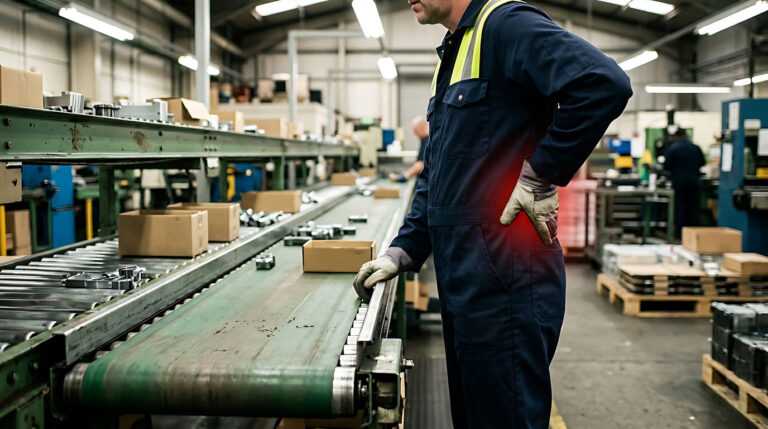
Loss of confidence is also common after sickness absence. Employees who previously felt comfortable and capable in their role sometimes return feeling unsure about their performance, concentration, stamina, or ability to manage tasks at the same level as before. This is especially common after long-term illness, surgery recovery, or mental health-related absence. Physical limitations can also make returning to work more difficult than employers initially expect. Employees recovering from injury, chronic pain, fatigue, respiratory illness, or surgery may struggle with long hours, extended standing, commuting, repetitive movements, or physically demanding duties during the early stages of recovery.
Managing workload pressure is another major challenge. Some employees feel pressure to prove themselves immediately after returning, which often leads them to overwork before they are fully recovered. In some workplaces, unrealistic expectations or poor communication can make this even harder for employees to manage properly. There is also still workplace stigma surrounding certain health conditions, particularly mental health issues and invisible illnesses. Employees sometimes avoid speaking openly about stress, anxiety, burnout, hearing loss, or chronic conditions because they fear judgment, misunderstanding, or being viewed differently by managers or colleagues.
Concerns around performance and capability also affect many employees returning after ill health. Some worry they are no longer performing at the same level as before their absence, while others fear their condition may affect future progression or job security. Even communication itself can become a source of anxiety during the return-to-work process. Employees may feel uncomfortable discussing health concerns, requesting adjustments, or explaining ongoing symptoms to managers and colleagues. Without supportive communication, employees often feel isolated during recovery rather than supported.
What Employers Should Include in a Return-to-Work Process
A clear, supportive return-to-work process helps employees feel more confident during recovery while helping employers manage absence more effectively. Without structure, employees often feel uncertain about expectations, workload, and how their health concerns will be addressed upon return. A well-managed process improves communication between employers and employees, reduces the risk of further sickness absence, and supports a safer, more sustainable transition back into work. Small adjustments and early support often make a significant difference to both employee well-being and long-term business continuity.
Return to Work Meetings
Return-to-work meetings are among the most important parts of the process. These conversations give employees the opportunity to discuss how they are feeling, raise concerns, and explain any ongoing health limitations that affect their roles. The focus should remain supportive rather than disciplinary. Employees are often already anxious about returning, especially after long-term sickness absence or mental health-related leave. Open conversations help employers understand what support may be needed during the transition back into work.
These meetings also help review temporary adjustments, discuss workload expectations, and create realistic plans based on the employee’s recovery stage. In many cases, employees simply want reassurance that support is available if they struggle during the first few weeks back. Clear expectations from both sides help avoid confusion later and create a more positive return-to-work experience overall.
Phased Return to Work Plans
Not every employee is ready to return to full-time hours or full responsibilities immediately. A phased return to work helps employees gradually rebuild confidence, stamina, and routine without placing too much pressure on recovery. This often includes reduced working hours during the first few weeks, followed by a gradual increase depending on how the employee is coping. Some employees may also temporarily need lighter duties, reduced workloads, or additional flexibility while recovering.
Phased returns are particularly helpful after surgery recovery, long-term illness, burnout, mental health absence, or physically demanding injuries, where fatigue and concentration levels still fluctuate. Regular monitoring during the phased return process is important because recovery does not always move in a straight line. Some employees progress quickly while others require longer adjustment periods, depending on their condition and working environment.
Workplace Adjustments and Support
Workplace adjustments help employees return more comfortably while reducing unnecessary strain during recovery. The type of support required will vary depending on the employee’s health condition, role, and workplace environment. For some employees, ergonomic adjustments such as specialist seating, desk equipment, or workstation assessments help reduce physical discomfort during the working day. Others may benefit from flexible working arrangements, hybrid working options, quieter environments, or adjusted schedules while managing fatigue or ongoing treatment.
Reduced noise exposure may also support employees managing hearing loss, migraines, stress, or concentration difficulties in busy workplaces. Mental health support is equally important during the return-to-work process. Access to wellbeing support, regular manager check-ins, realistic workload planning, and supportive communication often help employees feel less isolated during recovery. In some situations, temporary role modifications or amended duties may also be needed until the employee feels fully capable of returning to normal responsibilities.
Ongoing Communication
Return to work support should not stop after the employee’s first week back. Ongoing communication plays an important role in identifying concerns early and helping employees feel supported throughout recovery. Regular check-ins give employees the chance to discuss how they are coping, whether adjustments are working properly, and if additional support is needed. These conversations also help managers identify early signs of stress, fatigue, workload pressure, or worsening health concerns before they develop into further absence.
Employee feedback is important because recovery experiences vary significantly between individuals. What works well for one employee may not work for another, which is why flexibility and communication matter throughout the process. Supportive managers often make one of the biggest differences during a successful return to work. Employees are more likely to speak openly about concerns when communication feels understanding rather than pressured or judgmental. Early intervention also helps employers respond quickly if problems begin to reappear after the employee returns. In many cases, small adjustments made early prevent more serious issues later on.

The Role of Occupational Health in Employee Return to Work
Occupational health plays an important role in helping employees return to work safely, realistically, and with the right level of support in place. When employees return after illness, injury, surgery, mental health absence, or long-term health conditions, employers are often faced with difficult decisions around capability, adjustments, workload, and ongoing well-being support.
Occupational health return-to-work assessments help employers make informed decisions while supporting employee well-being throughout the recovery process. Independent occupational health assessments provide professional medical guidance based on the employee’s role, health condition, workplace demands, and recovery stage. This helps employers understand whether an employee is fit to return fully, needs temporary adjustments, or would benefit from a phased return-to-work plan. Occupational health professionals also provide practical recommendations on workplace adjustments, working hours, physical duties, workload management, and ongoing monitoring, as needed. These recommendations help create safer and more realistic expectations for both employers and employees.
For HR teams and managers, occupational health support often removes uncertainty during complex absence cases. Instead of relying on assumptions, employers receive clear guidance which supports fair decision-making while reducing the risk of misunderstandings or inconsistent management approaches. Early occupational health involvement also helps reduce the likelihood of repeated sickness absence. Employees who feel supported during recovery are often more confident returning to work and better able to manage their responsibilities over time. Most importantly, occupational health support helps create realistic return to work plans based on recovery rather than pressure. Every employee’s situation is different, which is why personalised recommendations and ongoing support are often essential for long-term success.
How Occupational Health Services Support Employers
Occupational health services support employers by helping them manage employee health risks, sickness absence, workplace wellbeing, and fitness-for-work concerns more effectively. A proactive approach not only supports employee recovery but also helps businesses maintain productivity, reduce disruption, and meet workplace health responsibilities.
Fitness for Work Assessments
Fitness for work assessments help employers determine whether an employee is medically fit to perform their role safely and effectively. These assessments are commonly used after long-term sickness absence, workplace injury, surgery recovery, mental health absence, or ongoing health concerns affecting work performance. Occupational health professionals assess how an employee’s condition impacts their duties and provide recommendations around adjustments, phased returns, workload limitations, or ongoing support requirements. This helps employers make safer, more balanced decisions while reducing uncertainty during the return-to-work process.
Health Surveillance and Monitoring
Health surveillance helps employers monitor employees’ ongoing health in environments where workplace risks may affect long-term well-being. This may include exposure to noise, vibration, hazardous substances, respiratory risks, repetitive movements, or physically demanding work environments. Regular monitoring helps identify early signs of work-related health concerns before conditions become more serious. Health surveillance also supports employees returning after illness by helping employers track ongoing health concerns and ensure workplace risks are being managed appropriately during recovery.
Mental Health Support
Mental health support within occupational health services helps employers manage stress-related absence, burnout, anxiety, and depression, as well as workplace wellbeing concerns, more effectively. Employees returning after mental health absence often benefit from structured support, realistic workload planning, phased returns, and regular well-being reviews during recovery. Occupational health professionals also help managers better understand how mental health conditions affect work performance, communication, concentration, and employee well-being. Early intervention and supportive management often reduce the risk of repeated absence while helping employees feel more supported returning to work.
Workplace Risk Assessments
Workplace risk assessments help identify factors within the working environment which may affect employee health, safety, or recovery. This includes reviewing physical demands, workstation setup, manual handling tasks, workplace noise, stress triggers, environmental risks, or operational pressures affecting employee well-being. For employees returning after illness or injury, risk assessments help employers determine whether temporary adjustments are needed to support a safer return-to-work process. A well-managed working environment often plays a major role in preventing further health concerns and supporting long-term employee wellbeing.
Employee Wellbeing Guidance
Occupational health services also provide broader guidance on employee wellbeing to help organisations create healthier, more supportive workplaces. This may include advice around stress management, workplace wellbeing strategies, absence reduction, employee support programmes, mental health awareness, ergonomic improvements, and workplace health education. Employers who actively prioritise employee wellbeing are often better positioned to improve staff morale, strengthen retention, reduce absence costs, and build a healthier workplace culture over time.
Creating a Supportive Workplace Culture After Ill Health
A successful return-to-work process does not rely solely on policies. Workplace culture also plays a major role in how supported employees feel after illness or health-related absence. Employees are more likely to recover confidently and remain engaged when workplaces encourage open communication around health and well-being. When managers create an environment where employees feel comfortable discussing concerns early, problems are often identified and managed before they become more serious.
Reducing stigma around physical health conditions, mental health struggles, hearing loss, chronic illness, and invisible conditions is equally important. Many employees still worry about being judged differently after sickness absence, especially when symptoms are not always visible to others in the workplace. Training managers to handle sensitive conversations professionally and with empathy also significantly improves the return-to-work experience. Employees often remember how they were treated during difficult periods, and supportive management plays a major role in building trust during recovery.
Promoting well-being support services across the organisation also encourages employees to seek support earlier, rather than waiting until problems escalate. This may include occupational health support, mental health resources, employee assistance programmes, wellbeing initiatives, or workplace health education. Most importantly, employers should focus on supporting recovery rather than pressuring employees to return to full performance levels immediately. Recovery takes time, and employees often perform better in the long term when support feels realistic and sustainable rather than rushed.
Signs an Employee May Need Additional Support
Even after returning to work, some employees may continue struggling with their health, workload, or overall well-being. Recognising early warning signs helps employers provide support before issues develop into further absence or longer-term health concerns. Frequent short-term absences are often one of the earliest signs that an employee may still be struggling physically or mentally after returning to work. Reduced concentration, ongoing fatigue, or noticeable performance declines may also indicate that an employee is finding the workload demands difficult to manage during recovery.
Increased stress levels, irritability, withdrawal from colleagues, or reduced engagement within the workplace are also common indicators that additional support may be needed. Some employees become quieter or avoid communication altogether when they feel overwhelmed or worried about discussing their health concerns openly. Difficulty managing workload expectations is another issue employers should monitor carefully. Employees recovering from illness sometimes push themselves too hard to avoid appearing incapable or unreliable, which often increases the risk of burnout or recurrent sickness absence later. Early conversations, occupational health support, and practical workplace adjustments often help address concerns before they escalate further.
Supporting Employee Wellbeing Benefits the Entire Business
Supporting employee well-being is not only beneficial for individual employees. It also creates long-term benefits across the wider organisation. Employees who feel supported during illness recovery are often more likely to remain with the business long-term, helping employers improve retention and reduce recruitment costs associated with repeated staff turnover. Effective return-to-work support also helps reduce absence-related costs by lowering the risk of recurring sickness absence and long-term disengagement from work.
A healthier, more supportive workplace culture often improves morale across teams. Employees are more likely to feel valued when they see employers taking health and well-being seriously rather than treating sickness absence as purely an operational issue. Supportive workplaces also build stronger trust between employees, managers, and leadership teams. This trust often improves communication, engagement, and overall employee confidence within the organisation. Over time, organisations that actively prioritise employee health and wellbeing are often better positioned to maintain productivity, strengthen workforce stability, and create healthier working environments.
How Healthscreen UK Supports Employee Return to Work
At Healthscreen UK, we support employers with practical occupational health solutions designed to help employees return to work safely, confidently, and with the right support in place. Our occupational health services help employers manage sickness absence, employee wellbeing concerns, workplace health risks, and fitness for work decisions more effectively across a wide range of industries.
We provide occupational health assessments, workplace health support, employee wellbeing services, and tailored guidance based on the individual needs of both employees and employers. Our experienced healthcare professionals work closely with businesses to provide clear recommendations around phased returns, workplace adjustments, health monitoring, and ongoing support strategies. With nationwide occupational health support available, Healthscreen UK helps organisations create safer, healthier, and more supportive workplaces while helping employees return to work more successfully after ill health.
FAQs
Q. What is return to work support?
Return-to-work support helps employees safely return to work after illness, injury, surgery, mental health absence, or long-term health conditions. This may include phased return plans, workplace adjustments, occupational health assessments, and regular well-being check-ins. A structured process helps employees feel supported during recovery while helping employers reduce the risk of repeated sickness absence.
Q. Why is occupational health important after employee sickness absence?
Occupational health support helps employers understand whether an employee is fit to return to work and what support may be needed during recovery. Occupational health professionals provide guidance around workplace adjustments, phased returns, workload management, and employee wellbeing. This helps employers make informed decisions while supporting a safer and more sustainable return to work process.
Q. What is a phased return to work?
A phased return to work allows employees to gradually return to their normal hours and responsibilities after illness or injury. This often includes reduced hours, lighter duties, or flexible working arrangements during the early stages of recovery. Phased returns help employees rebuild confidence and stamina without feeling overwhelmed too quickly.
Q. How long should return to work support last?
There is no fixed timeframe for return to work support because recovery varies between employees and health conditions. Some employees may only need support for a few weeks, while others managing long-term conditions may require ongoing adjustments and regular reviews over a longer period. The focus should remain on sustainable recovery rather than strict timelines.
Q. When should an employer refer an employee to occupational health?
Employers should consider occupational health referrals when an employee’s health affects their ability to work safely or consistently. This may include long-term sickness absence, repeated absences, mental health concerns, workplace injuries, chronic health conditions, or situations where managers require guidance around workplace support and adjustments.
Q. What adjustments help employees return after ill health?
Workplace adjustments depend on the employee’s condition and role requirements. Common adjustments include phased returns, reduced hours, flexible working, amended duties, ergonomic equipment, quieter working environments, and workload adjustments. Occupational health assessments help employers identify suitable support while balancing employee wellbeing and business needs.