

With the start of a new year comes a moment where businesses reflect. It is time to review policies, assess risks, and consider how well current systems truly support both operational needs and employee well-being. Many organisations will focus on productivity, targets, and compliance reviews in January, and occupational health will still be approached reactively rather than as part of a long-term strategy.
In reality, health surveillance will play a critical role in protecting employees and supporting employers throughout the year. Under HSE Health Surveillance guidance, employers have a responsibility not only to identify workplace risks but also to monitor the health of employees who may be exposed to those risks over time. Anything to do with health is not a one-off obligation. To prevent long-term injury, identify early indicators of work-related illness, and ensure that companies continue to comply with UK health and safety regulations, effective health surveillance at work is a continuous process.
The need for organised health and medical surveillance is more important than ever in 2026, as workplaces continue to change due to factors such as hybrid working, increased screen time, sedentary positions, shift patterns, and exposure to environmental and physical risks. Modern work environments pose problems that call for routine monitoring rather than sporadic inspections, from musculoskeletal strain and visual fatigue to lifestyle-related health issues and substance exposure.
At Healthscreen UK, we provide useful, compliant, and customised occupational health services to businesses in a variety of industries. Our strategy, which emphasises prevention, early detection, and long-term workforce health, helps companies fulfil their legal obligations while also meaningfully promoting employee wellness.
To kickstart this new year, it is an ideal time for employers to take a fresh look at their health surveillance arrangements. A new year, offers the opportunity to move beyond tick-box compliance and embed occupational health surveillance into a proactive strategy that supports people throughout the year, not just when any issue arises.
What we cover in this blog:
- What is Occupational Health Surveillance and Why Does it Matter
- Why Health Surveillance at Work Must be Ongoing
- Understanding HSE Health Surveillance Responsibilities
- Occupational Health Services Offered by Healthscreen UK
- Making Occupational Health Part of Your 2026 Strategy
- Start the Year Right on the Right Foot with Healthscreen UK
- FAQs
What Is Occupational Health Surveillance and Why Does It Matter
Occupational health surveillance is the systematic, ongoing monitoring of employees’ health when there is a known risk associated with their work. According to the Health and Safety Executive (HSE), health surveillance is required when employees are exposed to hazards that could cause work-related ill health, and where there is a reasonable likelihood that the condition can be detected early and prevented from worsening.
In order to put it simply, health surveillance is about early detection of changes in health that may signal exposure-related harm so that action can be taken before long-term damage develops, rather than diagnosing illness. Depending on the type of work that people do or the type of business that organisations do, this may involve keeping an eye on things like hearing, lung function, skin health, musculoskeletal strain, or cardiovascular risk factors.
Why Health Surveillance at Work Is a Legal Responsibility
Employers are required by UK health and safety regulations to take reasonable precautions to keep workers safe. According to HSE health surveillance guidelines, health surveillance becomes an essential extra precaution when risks cannot be completely eradicated by control measures alone. This duty is applicable in a variety of work areas, including office-based, screen-heavy positions as well as industrial and manufacturing settings. By employing health surveillance at work, employers may demonstrate that hazards are effectively controlled, that workers are not placed at needless risk, and that appropriate action is taken when early symptoms of work-related illness appear.
Why Occupational Health Surveillance Matters Beyond Compliance
Effective occupational health surveillance extends beyond merely fulfilling legal criteria, even if compliance is crucial. It promotes early intervention, lowers sick leave, protects workers’ long-term health, and makes the workforce healthier and more resilient. Health and medical surveillance is advantageous to both businesses and employees when properly handled. It offers comfort, promotes prompt reporting of issues, and facilitates well-informed decision-making regarding workplace modifications, controls, and continuous risk management. Occupational health surveillance becomes a proactive instrument instead of a reactive one in this way.
Why Health Surveillance at Work Must Be Ongoing
Health surveillance at work cannot be treated as a one-time activity, as workplace risks are rarely static. The organisation evolves, and with it, the job roles, processes, and equipment get updated, and with it, the exposure levels can increase or decrease over time. Even where control measures are in place, risk may still exist, particularly with prolonged repeated exposure. The Health and Safety Executive (HSE) makes it clear that health surveillance should be appropriate to the level of risk and reviewed regularly. With the ongoing monitoring will allow employers to identify trends, recognise early signs of work-related ill health, and respond before problems become more serious.
Early Detection Protects Long-Term Health
Early detection is one of the main goals of health surveillance; illnesses include skin disorders, respiratory problems, upper limb ailments related to the workplace, and hearing loss caused by noise frequently develop gradually. These changes could go unreported until they become irreversible or more challenging to control if they are not regularly monitored. Employers can take prompt action by conducting health surveillance at appropriate intervals, which may involve modifying control measures, examining working procedures, or offering workers more assistance.
Ongoing Surveillance Supports Compliance and Good Practice
When looking from a compliance standpoint, continuous health monitoring enables companies to show that hazards are being continually handled rather than just evaluated once and then forgotten. More significantly, it strengthens a culture where employee health is taken seriously all year long. It promotes accurate record-keeping, informed decision-making, and alignment with HSE objectives. Ongoing occupational health surveillance enables companies to maintain a proactive, knowledgeable, and accountable attitude to workplace health rather than responding to problems as they emerge.

Understanding HSE Health Surveillance Responsibilities
Employers must offer HSE health surveillance in accordance with UK health and safety law when workers are exposed to specific workplace hazards and there is a plausible chance that exposure could result in illness related to the job. According to the Health and Safety Executive, health surveillance is suitable when a condition can be identified, connected to work-related activities, and detected early on. This holds true for a variety of industries and risk categories, including as exposure to hazardous materials, noise, vibration, dust, odours, repetitive tasks, and extended screen time. Health surveillance becomes a crucial extra precaution when engineering or administrative procedures alone are unable to completely manage dangers.
Employer Responsibilities Under HSE Guidance
Employers are responsible for ensuring that health surveillance is:
- Risk-based, aligned with identified workplace hazards
- Proportionate, matching the level and nature of exposure
- Carried out at suitable intervals, depending on risk
- Reviewed regularly, especially when roles or processes change
Additionally, HSE guidelines emphasise the importance of maintaining proper documentation, educating staff members on the goal of health surveillance, and taking appropriate action when issues are found. If follow-up action is not taken or results are disregarded, health surveillance is ineffective. Although the employer bears ultimate duty, skilled occupational health professionals are essential to provide efficient health surveillance. Providers support employers with clear reporting and next steps, conduct evaluations, suggest appropriate surveillance programs, and assist in interpreting HSE guidelines. Instead than merely responding when problems occur, companies may make sure that their approach to health surveillance stays compliant, consistent, and prevention-focused by collaborating with an expert provider.
Occupational Health Services Offered by Healthscreen UK
Effective occupational health surveillance relies on services that are both risk-led and practical. At Healthscreen UK, we design our occupational health services to support employers in meeting their legal responsibilities while also safeguarding employee health across a wide range of working environments. Rather than a one-size-fits-all approach, our health surveillance programmes are tailored to the specific demands, risks, and responsibilities within each role.
Safety Critical Medical Assessments
In positions where a person’s health could directly affect their personal safety or the safety of others, Safety Critical Medicals are essential. The jobs that require driving, operating machinery, working at heights, working in restricted spaces, or performing high-risk duties fall under this category. Safety Critical Medical evaluations help determine whether an individual is medically capable of performing their job safely and reliably. The goal of these evaluations is to make sure that hazards are recognised early on and appropriately addressed, not to exclude people. Safety Critical Medicals enhance compliance, lower incident risk, and reassure employers and employees that safety is still a top priority as part of an occupational health surveillance program.
Health Surveillance
Health surveillance takes a broader view of employee wellbeing by monitoring multiple risk areas rather than focusing on a single hazard. This may include audiometry for noise exposure, lung function testing (spirometry) for dust or fume exposure, skin surveillance where contact with irritants is present, and musculoskeletal assessments for physically demanding or repetitive roles. For office-based and hybrid workers, Display Screen Equipment (DSE) assessments, visual acuity checks, and surveillance for night or shift workers play an important role in identifying early signs of strain, fatigue, or discomfort. Whole health surveillance allows employers to track trends, identify emerging risks, and take preventative action before issues become long-term problems.
Occupational Health Referrals (Management Referrals)
Occupational Health (OH) referrals are made by managers for various reasons, such as concerns over performance or behaviour, employee’s capacity to work, short-term or long-term sickness absence, serious accident or illness at work, and fitness to attend disciplinary or other meetings. The aim is to advise management regarding the employee’s health issues, making recommendations for adjustments to ensure a safe and healthy working environment for the employee.
Cholesterol Blood Testing Matters More Than Ever
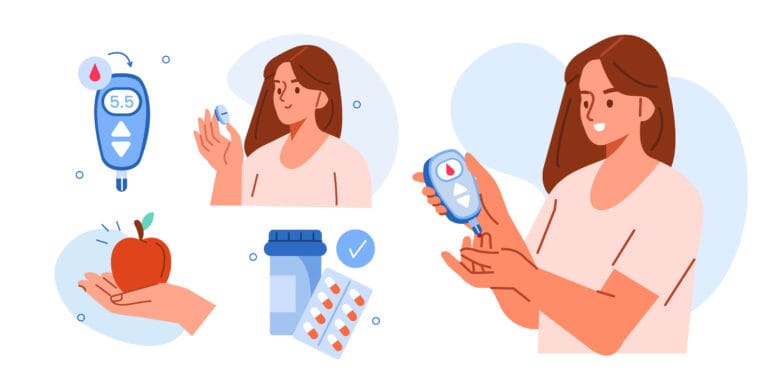
With rising trends and technology, the modern working patterns have brought increased focus on risks that are not always directly caused by work, but are often influenced by it. Sedentary roles, prolonged screen time, irregular shift patterns, stress, and reduced physical activity can all contribute to changes in cardiovascular health over time. As a result, cholesterol blood testing has become an increasingly valuable part of occupational health surveillance in 2026.
The raised cholesterol levels often develop without obvious symptoms and may remain undetected for years without testing. While cholesterol is influenced by a range of lifestyle and genetic factors, early identification allows individuals to seek appropriate advice, make informed lifestyle changes, and manage potential risks before they become more serious. From an employer perspective, supporting early awareness aligns with a preventative approach to workforce health rather than reacting once health concerns escalate.
When included as part of a wider whole health surveillance programme, cholesterol blood testing helps provide a broader picture of employee wellbeing. It complements other health surveillance measures by identifying underlying risk factors that may affect long-term health, attendance, and fitness for work, particularly in high-pressure or sedentary roles.
By offering cholesterol and glucose monitoring as part of health services, employers demonstrate a commitment to early intervention and long-term wellbeing. In 2026, where workforce health is increasingly recognised as a business-critical issue, cholesterol blood testing plays a simple yet meaningful role in supporting healthier, more resilient teams.
Importance of DSE Assessments
Display Screen Equipment (DSE) assessments continue to play a vital role in protecting employee health as screen-based work becomes more common across almost every sector. With prolonged use of computers, laptops, and even mobile devices, it can contribute to musculoskeletal discomfort, visual strain, fatigue and reduced concentration if workstations are not set up correctly or breaks are inadequate. HSE guidance requires employers to assess DSE risks and take reasonable steps to reduce them. This applies not only to office-based staff, but also to hybrid and home workers, where poor ergonomics may be more likely. Regular DSE assessments help identify issues early, allowing adjustments to be made before discomfort develops into longer-term health concerns.
As part of occupational health surveillance, DSE assessments support a preventative approach to workplace health. They encourage good working practices, promote employee comfort, and help reduce the risk of avoidable absence linked to musculoskeletal or visual problems. In 2026, with screen use firmly embedded in everyday work, DSE assessments remain a simple but essential part of protecting workforce wellbeing.
Making Occupational Health Part of Your 2026 Strategy
To be effective, occupational health surveillance should be planned, structured, and integrated into wider health and safety management. It should not be arranged only when an issue arises, as workplaces continue to evolve, employers benefit most when occupational health is treated as an ongoing process rather than a reactive response. A proactive approach begins with understanding workplace risks and reviewing whether existing health surveillance arrangements remain appropriate. This includes considering changes in job roles, working patterns, equipment, or exposure levels, and ensuring surveillance programmes are updated accordingly. Regular review supports compliance with HSE expectations and helps ensure health surveillance remains proportionate and relevant.
Starting this new year, incorporating occupational health into your organisation’s annual planning also allows employers to schedule surveillance activities more efficiently, minimise disruption, and communicate clearly with employees about what to expect and why it matters. This transparency helps build trust and encourages early reporting of health concerns, which is central to effective prevention.
By aligning occupational health surveillance with broader business goals in 2026; such as reducing sickness absence, supporting wellbeing, and managing risk responsibly, employers can move beyond short-term compliance. Instead, occupational health becomes a practical tool for protecting people, supporting performance, and maintaining a healthy, resilient workforce throughout the year.
Start the Year Right on the Right Foot with Healthscreen UK
A new year offers a valuable opportunity to step back and reassess how well current systems are supporting both compliance and employee wellbeing. When planned properly, occupational health surveillance becomes more than a regulatory requirement; it becomes a practical way to protect people, reduce risk, and support long-term workforce health. At Healthscreen UK, we work in partnership with employers to deliver health surveillance at work that is proportionate, risk-led, and aligned with HSE health surveillance guidance. From safety-critical medicals and whole health surveillance to management referrals, DSE assessments, and targeted health monitoring, our services are designed to evolve with your organisation and its people.
Starting 2026 with a clear occupational health strategy allows businesses to move away from reactive decision-making and towards a more structured, preventative approach. Whether you are reviewing existing arrangements or introducing health surveillance for the first time, having the right support in place can make all the difference. A new year, new start is not just about setting targets; it is about laying the right foundations. With the right health surveillance plan in place, employers can meet their responsibilities confidently while supporting a healthier, more resilient workforce throughout the year ahead.
FAQs
1. What is occupational health surveillance?
Occupational health surveillance is the ongoing monitoring of employees’ health when a known work-related risk is present. It is required under UK health and safety law, HSE, when exposure to workplace hazards could cause work-related ill health, and where early detection can help prevent long-term harm. Health surveillance at work focuses on prevention and early identification, rather than diagnosis or treatment.
2. When is health surveillance required under HSE guidance?
HSE health surveillance is required when employees are exposed to risks such as noise, vibration, hazardous substances, dusts, fumes, repetitive tasks, or prolonged screen use, and when there is a reasonable likelihood that exposure could cause identifiable work-related ill health. Employers must assess risks and determine whether health surveillance is necessary as part of their duty of care.
3. How often should health surveillance be carried out?
The frequency of health surveillance depends on the level of risk, the type of exposure, and HSE guidance for the specific hazard and nature of your organisation. Some checks may be required annually, while others may be carried out at different intervals. Health surveillance should be reviewed regularly and updated if job roles, processes, or exposure levels change.
4. How does health surveillance at work benefit employers and employees?
Health surveillance at work helps employers meet HSE compliance requirements, manage risk responsibly, and reduce sickness absence. For employees, it supports early identification of potential health issues, encourages preventative action, and demonstrates that their well-being is taken seriously. When delivered correctly, health surveillance benefits both safety and long-term workforce health.