


As an employer, you are aware of how you often come across employees complaining about rising temperatures and tiredness at work; this topic is often brushed aside as an ordinary summer slump. However, your employees could be developing a headache halfway through the day, or someone working outside could be feeling light-headed, yet they carry on. You must have also come across employees sitting in a warm office, which causes their concentration to fade and simple tasks to take longer; that is not okay. These might come off as complaints but are often recognised signs of dehydration and heat-related strain.
As an employer, you need to understand that workplace hydration is not just a matter of comfort; it helps you address how heat and fluid loss affect employees’ feelings, concentration and work performance. If an employee drives, operates machinery, works at heights, or makes safety-critical decisions, fatigue becomes a wider health and safety concern.
Key Takeaways:
- Why does hot weather leave your employees feeling tired?
- What is the connection between hydration, fatigue and workplace safety
- Signs you should take seriously as a manager
- Which employees face greater summer workplace risks?
- What does UK law say about workplace temperature?
- Supporting workplace hydration takes more than a reminder
- When tiredness becomes a medical concern
- Making summer health part of workplace planning
- FAQs
Why does hot weather leave your employees feeling tired?
Our bodies use sweat to regulate their temperature. As a person sweats, the body loses water and salts; fluid loss increases during physical work, in direct sunlight and in hot indoor environments. If your employees are wearing heavy or non-breathable personal protective equipment, it can add to the strain because heat becomes harder to release. Dehydration does not always begin with dramatic symptoms. The NHS lists the following as common symptoms: thirst, tiredness, dizziness, dry mouth, lips, and tongue, sunken eyes, darker urine, and urinating less often. Therefore, your employee might feel drained or struggle to focus well before they even recognise it is due to dehydration.
Heat also puts a heavy load on the body, as it works harder to move blood to the skin, while sweating helps cool it. This is a normal response, but spending hours in warm, humid or poorly ventilated conditions is tiring. The result is sometimes mistaken for laziness or poor attitude at work. A worker slows down, becomes irritable or loses focus, and the first conversation turns towards performance. During warmer weather, managers should pause and consider the working environment as well.
What is the connection between hydration, fatigue and workplace safety?
Workplace fatigue has many possible causes, including poor sleep, stress, longer working hours, medication and underlying health concerns. Heat and dehydration are a part that should not be overlooked simply because they are seasonal. For instance, if your company or you, as an employer, come across a tired employee who might be taking longer to process information, miss any part of an instruction or react more slowly to a developing risk, they may also make mistakes they would not usually make. In an office, this may mean reduced concentration or poor decision-making, but on a construction site, in a warehouse or behind the wheel, these consequences may be far more serious.
The Health and Safety Executive (HSE) advises employers to assess heat stress by thinking beyond the air temperature; humidity, airflow, work rate, nearby heat sources, clothing and PPE all affect how much strain a person experiences. This means no single temperature makes every workplace suddenly unsafe; an employee doing manual work in protective clothing faces a different level of risk than someone who is near an open window, even if both workplaces are at the same temperature.
Signs managers should take seriously
Employees respond to heat in different ways; one employee might complain of thirst or a headache while another might become unusually quiet, confused or unsteady. Some employees will say they are feeling unwell, while others will try to finish the task before mentioning any issue. Some early signs of dehydration or heat-related illness include unusual tiredness, weakness, headache, dizziness, nausea, muscle cramps, heavy sweating and difficulty concentrating. There are also symptoms like dark urine, a dry mouth and reduced urination that can also point towards dehydration.
Managers should pay close attention to the changes in behaviour as well as physical symptoms; irritability, poor coordination, slower responses and confusion should never be dismissed in a hot working environment. Building a culture where employees feel able to stop and report symptoms matters. Your employees should not feel they are letting the team down by asking for water, taking a suitable break or telling a manager they feel unwell.
Which employees face greater summer workplace risks?
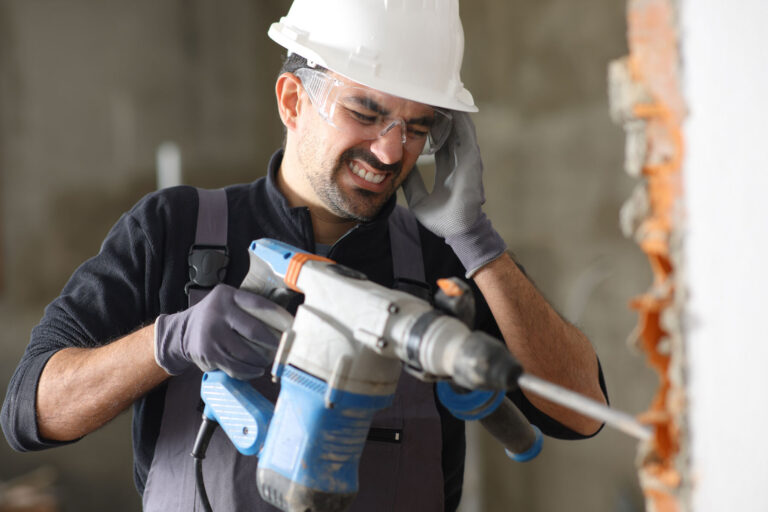
If you have a team that works outdoors, then they are an obvious concern during hot weather, particularly where work involves direct sunlight or physical effort, yet heat stress is not limited to outdoor work. During warmer periods, warehouses, commercial kitchens, laundries, factories, boiler rooms and poorly ventilated offices all become uncomfortable during warmer periods. Drivers are also affected, especially when vehicles have poor ventilation or remain in direct sunlight for long periods. If your employees are wearing PPE, they may face additional risk because protective clothing traps heat and limits evaporation. Removing essential PPE is not a safe answer either, and as employers, you need to consider the added heat burden when planning workloads, breaks and task durations.
Individual health also plays a part; age, pregnancy, certain medicines and some existing health conditions may affect how well a person tolerates heat. New workers who have not yet adjusted to hot conditions might need closer observation too. You do not need to make assumptions about someone’s health. When an individual’s health is a concern, occupational health advice helps identify suitable adjustments without asking managers to interpret confidential medical information.
What does UK Law say about workplace temperature?
There is no fixed maximum legal workplace temperature in Great Britain; this is sometimes misunderstood as meaning employers have no responsibility during periods of extreme heat. When you look into it, the legal position is broader. As employers, you must provide a reasonable working temperature under the Workplace (Health, Safety and Welfare) Regulations; you must also assess workplace risks and take suitable action to protect employee health and safety.
The HSE Guidance confirms that temperatures should form part of the risk assessment for indoor and outdoor work. The assessment should reflect what employees are doing, how long they are exposed and whether factors such as humidity, PPE or poor airflow increase the risk. A hot weather risk assessment should therefore focus on real working conditions, rather than waiting for temperature to pass an arbitrary number.
Supporting workplace hydration takes more than a reminder
Telling employees to drink more water sounds simple; in practice, workplace routines often make regular hydration difficult. A production worker might only have access to water during scheduled breaks; a driver might avoid drinking because of limited toilet stops; an employee wearing PPE might not be able to leave a controlled area to reach a drink; others simply get busy and forget.
As an employer, make sure water is easy to access throughout the workday. The HSE recommends providing cool drinking water and encouraging people working in heat to drink frequently in small amounts; waiting until someone feels intensely thirsty is not a reliable workplace control. The work pattern also deserves attention. Where possible, schedule physically demanding tasks during cooler hours; workloads might need to be shared or rotated, and employees exposed to heat may need more frequent breaks in a shaded, ventilated or cooler space.
Ventilation, fans, blinds and barriers around radiant heat sources may help, depending on the workplace. Review uniforms and PPE to see whether a lighter or more breathable option provides the same required protection. These decisions should come from a risk assessment rather than a general summer email sent to every department; the right controls for an office team will look different from those needed for engineers, warehouse employees or outdoor workers.
When tiredness becomes a medical concern
Heat exhaustion may develop when the body struggles to cool itself and loses too much water and salt. The NHS guidance lists tiredness, dizziness, headache, nausea, excessive sweating, cramps, intense thirst, weakness and a fast heartbeat or breathing as possible symptoms. If your employee shows these signs, stop work, move them to a cooler place, remove any unnecessary outer clothing, offer a cool drink, and cool their skin. Someone should stay with them and monitor their condition.
The NHS advises calling 999 if the person is still unwell after 30 minutes of cooling and drinking fluids, or if they show signs of heatstroke. Confusion, loss of coordination, a seizure, loss of consciousness, a very high temperature or hot skin without sweating all require urgent attention. Managers and first aiders should know the organisation’s emergency procedure before an incident occurs; trying to look up the correct response while someone is seriously unwell wastes valuable time.

Making summer health part of workplace planning
Periods of hot weather are no longer unusual enough to treat this as an unexpected disruption. Employers should review heat-related risks before summer begins and revisit them when working conditions, staffing, or processes change. This review should consider drinking water, ventilation, break arrangements, lone working, first-aid provision and communication with employees. Previous sickness absence, incidents and employee feedback may also show where current controls are falling short.
If you have employees with health concerns, occupational health input provides a more personal assessment. Recommendations may include temporary changes to duties, additional rest breaks, adjusted working hours, or reduced exposure to heat. Advice should reflect both the employee’s health and the demands of their role. A thoughtful response does not need to be complicated. Employees need access to water, reasonable opportunities to rest and managers who recognise when someone is struggling. Those measures help protect wellbeing while supporting safe and reliable work throughout the summer.
At Healthscreen UK, we provide occupational health support to help organisations understand employee health needs and make informed workplace decisions.