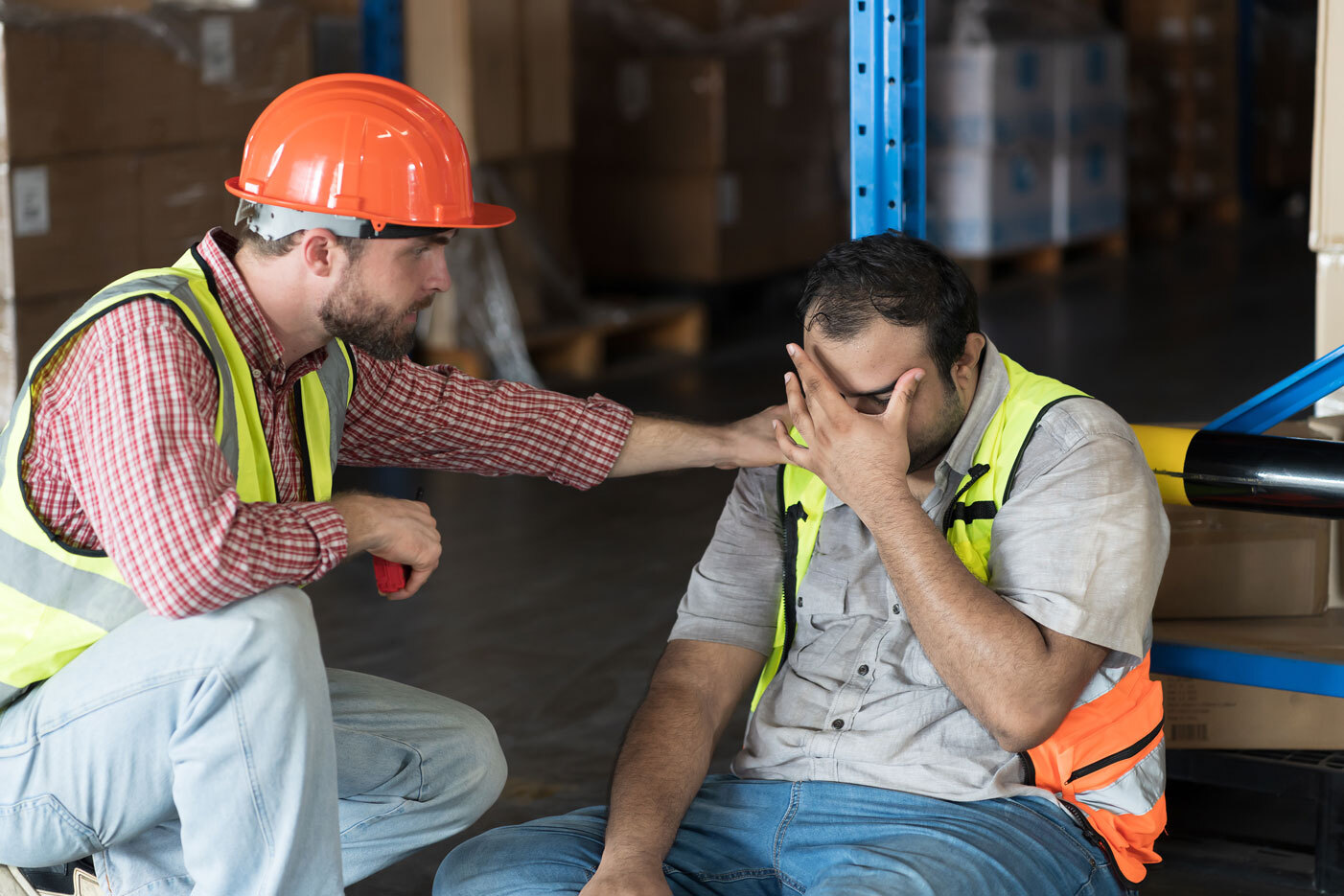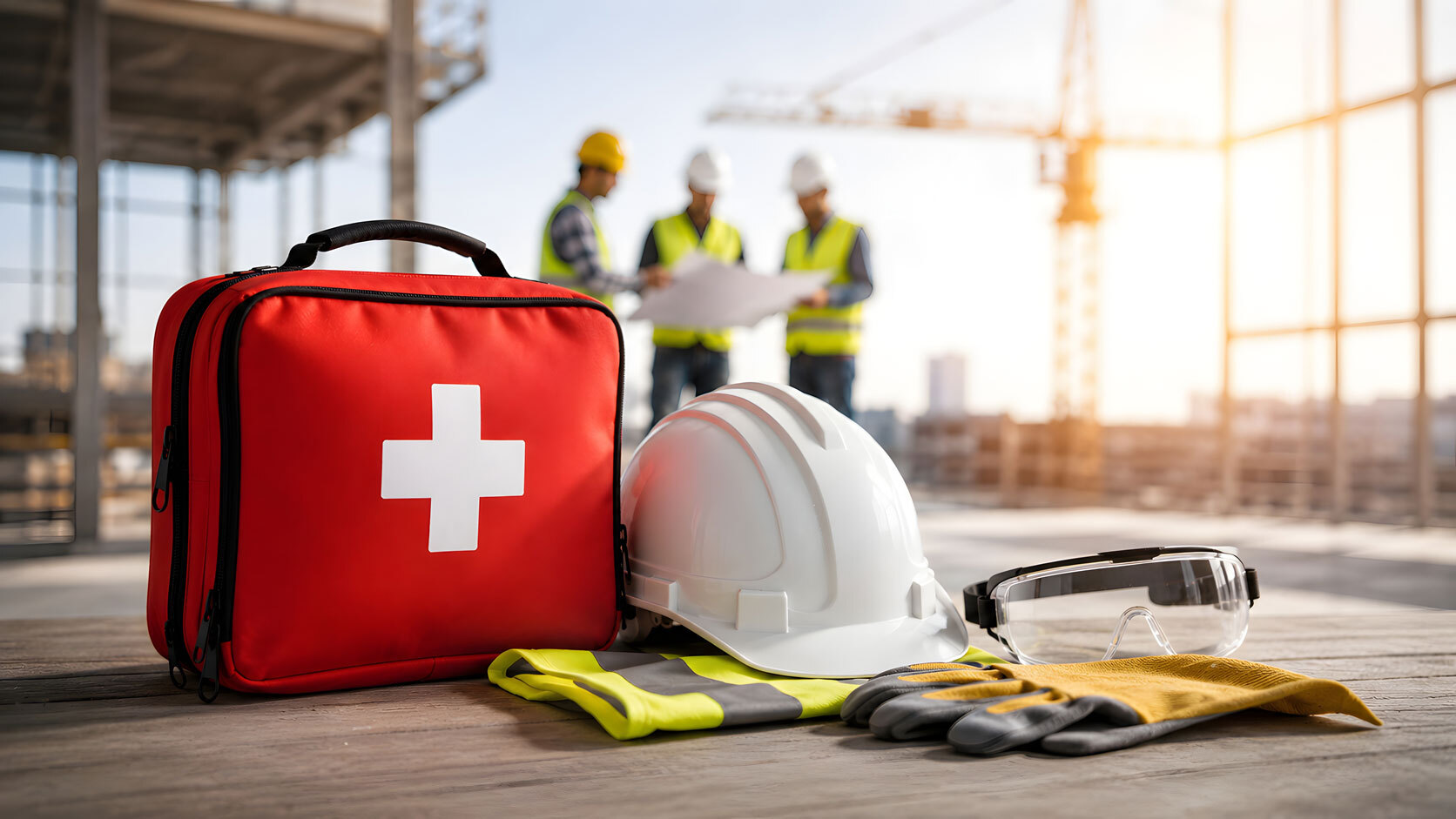


In workplaces where employees operate heavy machinery, drive vehicles, work at height, enter confined spaces, or carry out other higher-risk duties, an individual’s health and fitness are directly linked to workplace safety. Sudden health issues, reduced concentration, poor vision, hearing difficulties or a condition affecting mobility could create risks not only for the employee themselves, but also for colleagues, contractors and members of the public. Here is where the safety-critical medical assessment becomes an important part of an employer’s wider occupational health and safety arrangements.
A safety-critical medical assessment assesses whether an employee is medically fit to carry out a role where their health could affect their ability to work safely. Unlike a general health check, the assessment focuses on the demands of the employee’s role, the risks associated with their duties and whether any health condition could affect safe performance at work. If you are an employer, this provides clearer information when making decisions about fitness for work, workplace adjustments, and ongoing health monitoring.
Key takeaways:
- What makes a role safety-critical?
- What happens during a safety-critical medical assessment?
- Why the role and workplace risk assessment matter
- What happens after the assessment?
- How often should a safety-critical medical assessment take place?
- Is a safety-critical medical assessment a legal requirement?
- Safety-critical medicals are only one part of workplace safety
- Book safety-critical medical assessments with Healthscreen UK
- FAQs
What makes a role safety-critical?
A safety-critical role is generally one where an employee’s action, judgement, or physical ability has a direct effect on safety. In these roles, a health condition or sudden loss of capacity could lead to serious consequences, which is why employers need to consider medical fitness alongside training, competence and workplace controls.
Construction is one of the sectors most associated with safety-critical medicals, particularly for workers operating plant, working at height, or carrying out physically demanding tasks. However, safety-critical roles exist across many other industries, including manufacturing, engineering, transport, utilities, logistics and infrastructure. A warehouse employee operating heavy lifting equipment, for example, might face different medical considerations from an office-based employee, even if both work for the same company. The Health and Safety Executive advises employers to assess workplace risks and consider the demands placed on employees carrying out safety-sensitive tasks. This is why job titles alone do not always determine whether an employee should undergo a safety-critical medical assessment. Employers need to consider the actual duties involved, the environment in which the work takes place, and the consequences if an employee became unwell while carrying out those duties.
What happens during a safety-critical medical assessment?
The content of a safety-critical medical assessment should reflect the role being assessed, rather than following the same format for every employee. The occupational health professional will review the employee’s medical history, current health, medication and any existing conditions which might affect their ability to work safely, before completing relevant clinical checks. It depends on the nature of the role; the assessment might include checks such as blood pressure, pulse, vision, hearing, lung function, mobility and general physical health. There are certain roles that also require a closer review of musculoskeletal fitness, especially where an employee carries out physically demanding work, while other environments may place greater emphasis on hearing, vision or respiratory health.
The purpose of these checks is not to look for reasons to prevent somebody from working; instead, the aim is to understand whether the employee’s health is compatible with the demands of their role and whether any restrictions, adjustments or further medical information are required. In several cases, an employee will be confirmed as fit for their role, while others might remain fit with specific recommendations in place.
Why the role and workplace risk assessment matters
One of the most important parts of a meaningful safety-critical medical assessment happens before the employee enters the occupational health clinic. The occupational health provider needs enough information about the role to understand what the employee is expected to do and what risks are associated with those duties. Let’s see an example: simply stating that somebody works on a construction site does not provide the same level of information as explaining that they operate mobile plant, regularly work at height or carry out tasks in confined spaces. The more relevant information an employer provides about the role, working environment, physical demands and identified workplace risks, the more focused the OH assessment becomes.
This is also why you, as an employer, should avoid treating safety-critical medicals as a routine box-ticking exercise. Two employees in similar jobs with the same title may carry out different duties or work in different environments, so their occupational health requirements are not always identical. A role-specific approach helps ensure the assessment supports genuine workplace risk management rather than becoming a generic health screening exercise.
What happens after the assessment?
Once the assessment is completed, as an employer, you must receive an occupational health opinion regarding the employee’s fitness for the role being assessed. This might confirm that the employee is fit to continue with their duties, fit with restrictions or adjustments, or requires further review before a final decision is made. If any concerning outcome is found, occupational health advice might include recommendations for temporary restrictions, modified duties, further medical evidence, or a future review date. As an employer, then consider these recommendations alongside the employee’s duties, workplace risks and wider health and safety responsibilities.
The information shared with you as employers should remain relevant to the workplace decision being made. As employers, you do not need unnecessary medical details, but you do need clear guidance on whether health affects your employee’s ability to perform the role safely and whether any adjustments or restrictions are needed.
How often should safety-critical medical assessments take place?
No single assessment frequency suits every safety-critical worker, as the appropriate review period depends on the role, the industry, the employee’s health, workplace risks, and any other relevant employer or sector requirements. Some employers include periodic medical assessments in their occupational health programme, while others require an additional review after significant health changes, periods of sickness absence, medication changes, or any incident where medical fitness becomes a concern. If there is a change in job role might also prompt a new assessment where the employee moves into duties with different safety-critical demands.
A regular review helps employers to remain aware of health changes which might affect safe working, particularly in roles where even a temporary change in fitness could increase workplace risk.
Is a safety critical medical assessment a legal requirement?
As employers, you have responsibilities under the UK health and safety law to protect employees and others who might be affected by their work activities, which includes managing risks associated with an employee’s ability to carry out certain duties safely.
However, safety-critical medical requirements differ between sectors, roles and workplaces, and there is no single medical assessment which applies in exactly the same way to every safety-critical employee. There are few industries or clients that have specific medical standards in place, while other organisations identify the need for health assessment through workplace risk assessments and occupational health advice. The most appropriate approach for you as employer is therefore one which links medical fitness directly to the demands and risks of the role, rather than applying the same assessment automatically across an entire workforce.
Safety-critical medicals are only one part of workplace safety
This provides important information about your employee’s medical fitness, but it should sit within a wider system of workplace safety. Training, competence, supervision, suitable equipment, safe systems of work, and effective risk assessment all remain essential parts of managing safety-critical activities. An occupational health supports the wider process by assisting you to understand whether an employee’s health has bearing on their ability to carry out specific duties safely. When assessments are based on genuine job demands and workplace risks, employers receive more useful information and employees receive a fairer, more relevant assessment.
Book safety-critical medical assessment with Healthscreen UK
Healthscreen UK provides safety-critical medical assessments for employers across a range of industries, helping organisations manage the health requirements associated with higher-risk roles. Our team works with you and your organisation to understand the duties being performed, the risks involved and the right assessment requirements for your workforce. Safety-critical medicals are available through our clinics and through site visit services where applicable, helping you and your organisation organise assessments in a way which suits your operational needs.
FAQs
Q. What is a safety critical medical assessment?
A safety critical medical assessment looks at whether an employee’s health affects their ability to carry out duties were reduced fitness, impaired judgement or sudden illness could create a significant safety risk. The assessment focuses on the requirements of the employee’s role and the workplace risks associated with their duties.
Q. Who needs a safety critical medical?
Employees working in safety-sensitive roles might require an assessment, especially where they run machinery or vehicles, work at height, enter confined spaces or carry out other duties where health and fitness have a direct impact on safety. Employers should consider the role, workplace risk assessment and relevant industry requirements when deciding whether an assessment is right.
Q. What does a safety critical medical include?
The assessment normally includes a review of medical history, current health and medication alongside clinical checks relevant to the employee’s duties. These might include vision, hearing, blood pressure, lung function, mobility and general physical health, depending on the role.
Q. Is a safety critical medical the same as a fit-for-work medical?
Both assessments assess your employee’s ability to work safely, but a safety critical medical focuses on roles where an individual’s health has direct safety implications. A general fit for work assessment is used across a broader range of workplace situations.
Q. How often does an employee need a safety critical medical?
The right frequency depends on the role, workplace risks, sector requirements, and the employee’s individual circumstances. Additional assessments might also be proper following significant changes in health, sickness absence, changes in medication or a move into a different safety-sensitive role.
Q. Does a safety critical medical include drug and alcohol testing?
Drug and alcohol testing is not automatically included within every safety critical medical assessment. Where screening forms part of an employer’s policy, industry standard or workplace risk management arrangements, it might be included as part of the wider occupational health programme.