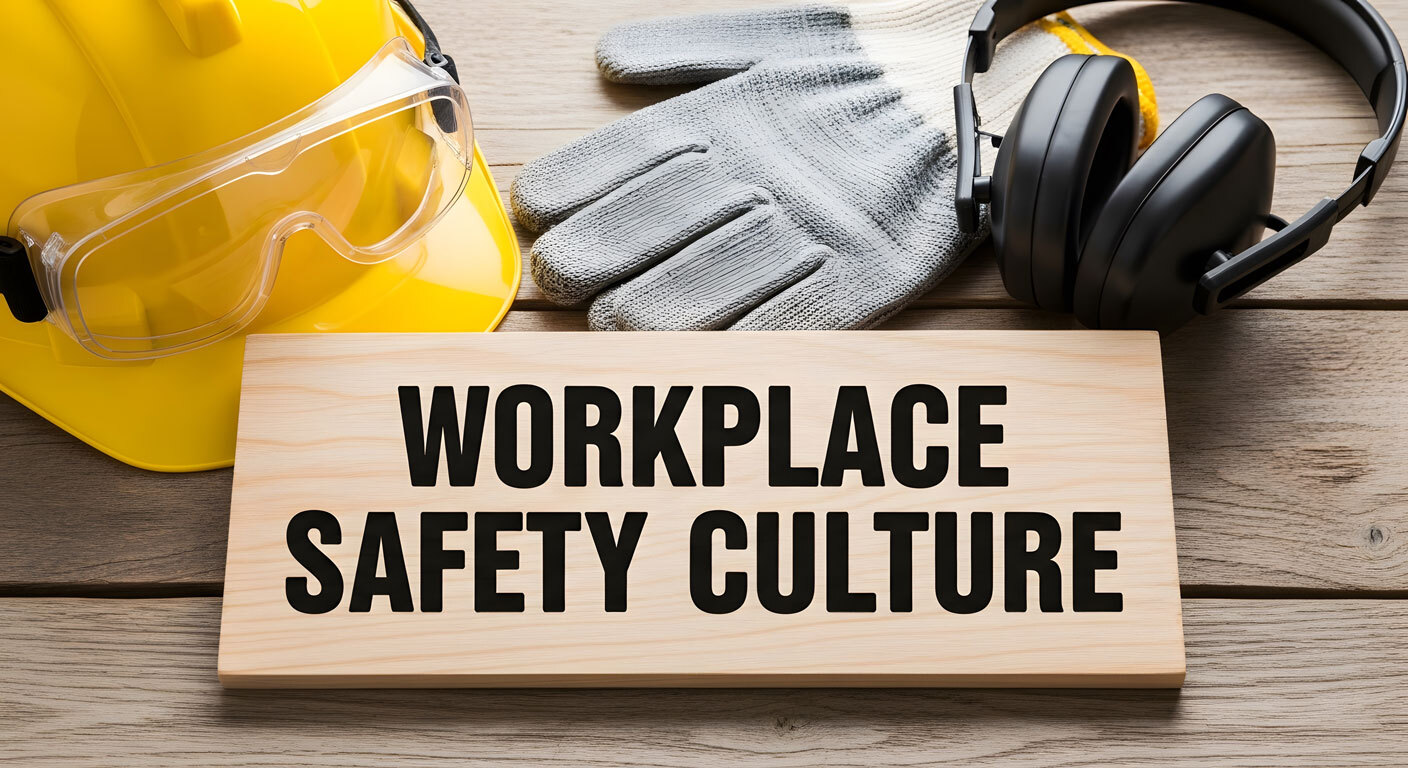

A safe workplace depends on more than policies and procedures. It is shaped by managers’ everyday decisions, how they respond to concerns and whether employees feel confident reporting potential hazards. Whether you manage an office, construction site or factory, building a positive health and safety culture is essential to protecting your staff and maintaining a responsible working environment.
What does a strong safety culture look like, and how can you encourage everyone to play an active role?
This blog explores the importance of workplace health and safety, employers’ legal responsibilities and practical steps businesses can take to create a healthier, safer working environment.
Key takeaways
- What is a health and safety culture?
- Why is a positive health and safety culture important?
- Understanding the Health and Safety at Work Act 1974
- Why do health and safety policies matter?
- 6 ways to create a positive health and safety culture at work
- The role of occupational health in creating a health and safety culture in workplace
- How do you know if your workplace safety culture is improving?
- Build a healthier and safer workplace with everyday actions
- FAQs
What is health and safety culture?
Workplace health and safety culture is shaped by the shared attitudes, values and behaviours that influence how people approach safety within an organisation. In a positive culture, employees feel confident reporting hazards, following safe working procedures and raising concerns without fear of criticism. Managers reinforce this culture by responding promptly and taking appropriate action.
According to the Health and Safety Executive (HSE), organisational culture significantly influences workplace behaviour and safety performance. The HSE identifies leadership, employee involvement, communication and training as important influences on safety culture. A positive work culture goes beyond meeting minimum legal requirements. Health and safety become part of how an organisation operates, rather than something employees only consider during inspections or annual training.
Why is a positive health and safety culture important?
Every workplace presents different risks. Although an office employee may face different hazards from someone working on a construction site, both need an environment that protects their physical and mental wellbeing. A strong workplace safety culture helps employers to:
- Identify hazards before they cause accidents or ill health.
- Encourage employees to report risks, incidents and near misses.
- Build trust and improve communication between managers and employees.
- Support mental wellbeing alongside physical safety.
- Maintain consistent safety standards across teams and locations.
- Strengthen compliance with relevant health and safety legislation.
By contrast, a poor organisational culture can lead employees to overlook hazards, avoid reporting incidents, or feel pressured to prioritise productivity over safety. If concerns are repeatedly ignored, unsafe conditions may become accepted as normal. Addressing these behaviours early is therefore essential to preventing harm.

Understanding the Health and Safety at Work Act 1974
Building a positive safety culture is not only good business practice. Employers also have legal responsibilities to protect employees and others affected by their operations. The Health and Safety at Work etc. Act 1974 is the primary legislation governing occupational health and safety in Great Britain. Under Section 2 of the Act, employers must ensure, so far as is reasonably practicable, the health, safety and welfare of their employees at work.
This includes providing safe working systems, the right information and training as well as supporting a working environment without risks to health, so far as reasonably practicable. Employees also have responsibilities under Section 7 of the Act, including taking reasonable care of their own health and safety and the safety of others affected by their actions. Employers must therefore show suitable arrangements for managing workplace risks, rather than relying solely on employees to recognise hazards independently.
Why do health and safety policies matter?
Clear health and safety policies help organisations explain how risks will be managed, who handles duties and what procedures employees should follow. The HSE states that every business must have a health and safety policy. Businesses employing five or more people must record their policy in writing and share relevant information with employees.
A policy that is outlined by the organisation’s commitment to safety, individual responsibilities, and practical arrangements for managing risks. If you are a business and need more guidance, then refer to the HSE guidance on preparing a health and safety policy. However, having a written policy is only the beginning, as employers must also ensure that safety arrangements are followed, reviewed, and updated when necessary.
6 ways to create a positive health and safety culture at work
Improving health and safety at work requires consistent action from both the management and the employees. The following steps will help your organisation to develop a more proactive approach.
1. Lead by example -
Employees often look at managers when deciding how seriously to take workplace safety. If managers regularly ignore safety procedures, employees might assume the same behaviour is acceptable and, on the other hand, leaders who follow established procedures and respond constructively to concerns reinforce the importance of safe working practices. Employees should make health and safety a regular part of management discussions, provide right resources and ensure supervisors understand their responsibilities. A positive safety culture begins when leadership treats employee safety as a priority, even during busy periods.
2. Establish clear health and safety policies -
Employees need to understand the risks associated with their work and the procedures designed to protect them. Health and safety policies should be accessible, easy to understand and relevant to the organisation’s activities. Let’s say, a construction business might need a detailed procedure covering equipment use, working at height and exposure to hazardous substances. An office-based employer might focus on workstation assessments, fire safety, and work-related stress. Alongside written policies, employers should complete suitable and sufficient risk assessments, implement controls, and review existing procedures when workplace conditions change. The HSE’s risk assessment guidance provides practical steps for identifying hazards and managing workplace risks.
3. Encourage open communication and employee involvement -
Would your employees feel comfortable telling their manager about an unsafe working practice? If your answer is uncertain, communication might be an area worth reviewing. Employees often understand the day-to-day challenges of their roles better than anyone else. Their feedback helps employers recognise risks which might not be immediately obvious during routine inspections. Businesses should encourage employees to raise concerns, report near misses and participate in discussions about workplace safety. Regular team meetings, anonymous feedback channels, and clear reporting procedures all help employees contribute. Most importantly, employers should respond to the concerns raised. When employees see their feedback leading to meaningful improvements, they are more likely to remain involved.
4. Provide regular health and safety training -
Training plays an important role in helping employees understand workplace hazards, recognise unsafe conditions and follow the correct procedures. However, health and safety awareness should not end after an employee’s initial induction. Regular refresher training helps employees remain familiar with procedures, particularly when new equipment, working practices or responsibilities are introduced. Training should also reflect the risks associated with each role. Employees working in construction, manufacturing or other higher-risk environments might require instruction in certain ways relating to machinery, manual handling, hazardous substances or working at height. Managers must also receive appropriate training to recognise risks, respond to incidents, and support their teams effectively.
5. Support mental health in the workplace -
Workplace health and safety is not limited to preventing physical injuries; excessive workloads, poor communication, bullying and unrealistic expectations might contribute to stress and create an unhealthy working environment. A toxic workplace environment might also discourage employees from asking for help or discussing concerns affecting their well-being. The HSE explains that employers have a legal duty to assess and manage risks from work-related stress, just as they would other workplace health and safety risks. Its guidance on work-related stress risk assessments identifies six important areas of work design: demands, control, support, relationships, role and change. Employers should consider these factors when reviewing working conditions and mental health at work. Practical steps include reviewing workloads, encouraging regular conversations with managers, addressing inappropriate workplace behaviour, and providing access to appropriate support. Creating a supportive environment also means employees should feel confident discussing concerns without being dismissed or judged.
6. Monitor and improve workplace safety practices -
A positive health and safety culture needs regular attention. As your business grow, you must introduce new equipment or change working practices; existing risks might change too. Employers should regularly review risk assessments, investigate incidents, gather employee feedback, and monitor whether safety controls work effectively. The HSE recommends a Plan, Do, Check, Act approach to managing health and safety. This encourages organisations to establish suitable arrangements, implement them, assess their effectiveness and make improvements where necessary. Instead of waiting for accidents to occur, employers should use available information to identify concerns and take preventive action.

The role of occupational health in creating a health and safety culture in workplace
Health and safety policies help employers manage risks at work. But occupational health services go a step further by helping employers understand how work impacts their employees’ health. Depending on the company and what employees are exposed to at work, employers might find it useful to get occupational health assessments, health checks, and expert advice on whether employees are fit for certain jobs. For instance, if employees work with loud noise, vibrations, or dangerous chemicals, they might need proper health monitoring if there are laws requiring it.
Occupational health referrals also help employers figure out if an employee’s health problem could affect their ability to do their job and if any changes need to be made at the workplace. Having the right occupational health support helps employers make smart decisions, spot possible health issues early, and actively work on keeping their employees well. At Healthscreen UK, we help businesses with occupational health services. These services are designed to help employers handle their workplace health duties and support their staff. When businesses combine good risk management with professional occupational health support, they’re in a better position to safeguard their employees’ health in the long run.
How do you know if your workplace safety culture is improving?
Making a workplace safer is a gradual process; employers can track their progress to see if their safety initiatives are effective. Good metrics to use include feedback from employees, records of who has completed safety training, reports on hazards, findings from incident investigations, and how many of the planned corrective actions have been finished. For instance, if near-miss reports go up, it doesn’t automatically mean safety is getting worse. In some places, it could mean employees feel more comfortable speaking up about potential problems. Instead of just looking at single numbers, employers should assess if risks are being found, reported, and dealt with properly. Talking regularly with employees also offers a good understanding of how safety rules are working on the ground.
Building a healthier and safer workplace starts with everyday actions
Creating a culture of health and safety in the workplace means more than following the law. Employers must make safety a part of choices, support employees who have worries and make sure the right steps are taken to keep both body and mind safe. When companies have rules, strong leadership and access to good occupational health help they are in a better position to handle risks and care for their workers.
At Healthscreen UK, we know how important it is to keep workers healthy while meeting the responsibilities of the workplace. Our occupational health services help employers take a thoughtful and smart way to look after employee health.
FAQs
Q. What is a positive health and safety culture in the workplace?
A good health and safety culture means employers and workers both do their part to keep the workplace safe and healthy. This involves sticking to safety rules, talking honestly about dangers, reporting anything unsafe, and looking out for each other’s well-being. When leaders are strong and employees are involved regularly, health and safety become a normal part of the daily job.
Q. What are the main responsibilities of employers under the Health and Safety at Work Act 1974?
The law says employers have to make sure their workers are safe and healthy as much as they reasonably can. This means they need to provide a safe place to work, give people the right training and supervision, and manage any risks in the workplace. Plus, they have to think about how their business might affect anyone else’s safety too.
Q. How does mental health affect workplace health and safety?
Looking after employees’ mental health is a key part of workplace safety. Things like stress from the job, too much work, or bad relationships with colleagues can hurt how well people feel, focus, and do their jobs. Employers need to look at the risks of job stress, promote talking openly, and offer the right help to make the workplace healthier for everyone.
Q. What should a workplace health and safety policy include?
Looking after employees’ mental health is a key part of workplace safety. Things like stress from the job, too much work, or bad relationships with colleagues can hurt how well people feel, focus, and do their jobs. Employers need to look at the risks of job stress, promote talking openly, and offer the right help to make the workplace healthier for everyone.